






Sala Introductoria a la Zona Arqueológica Las Pilas
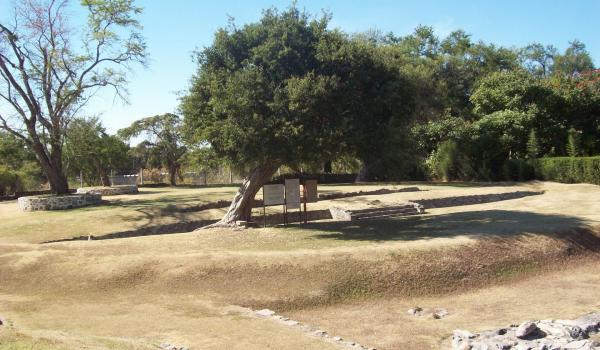
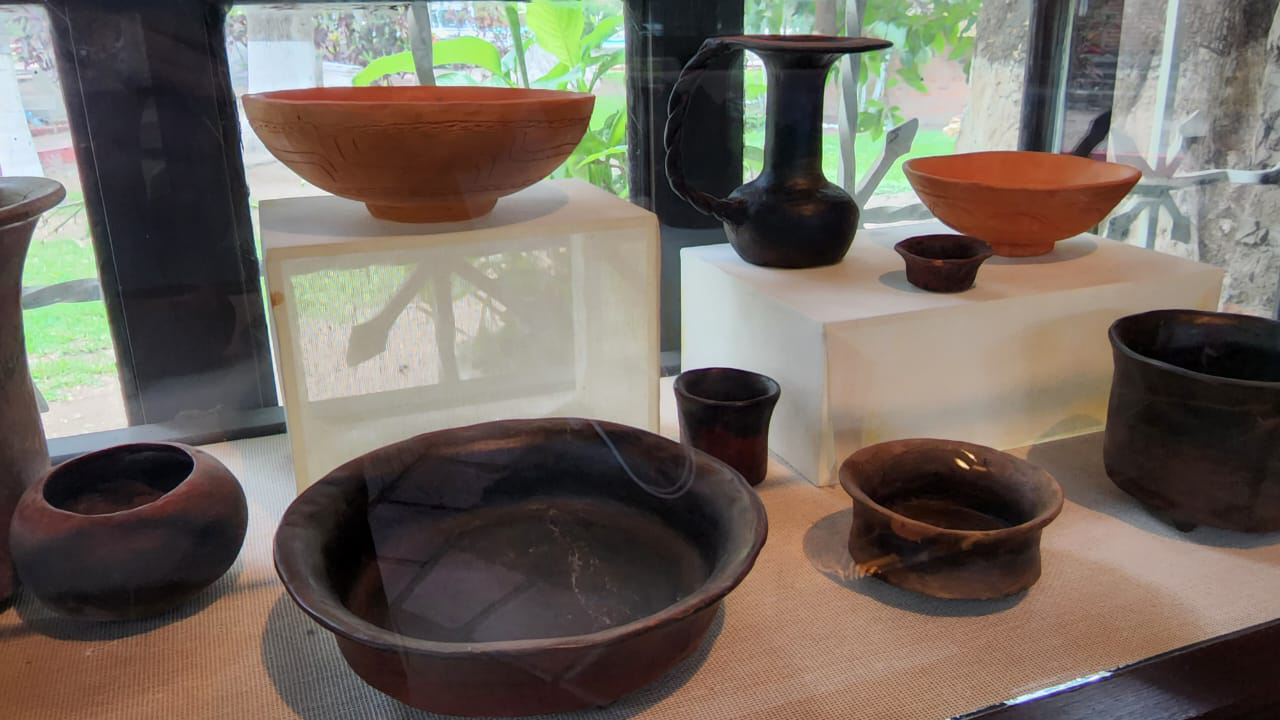
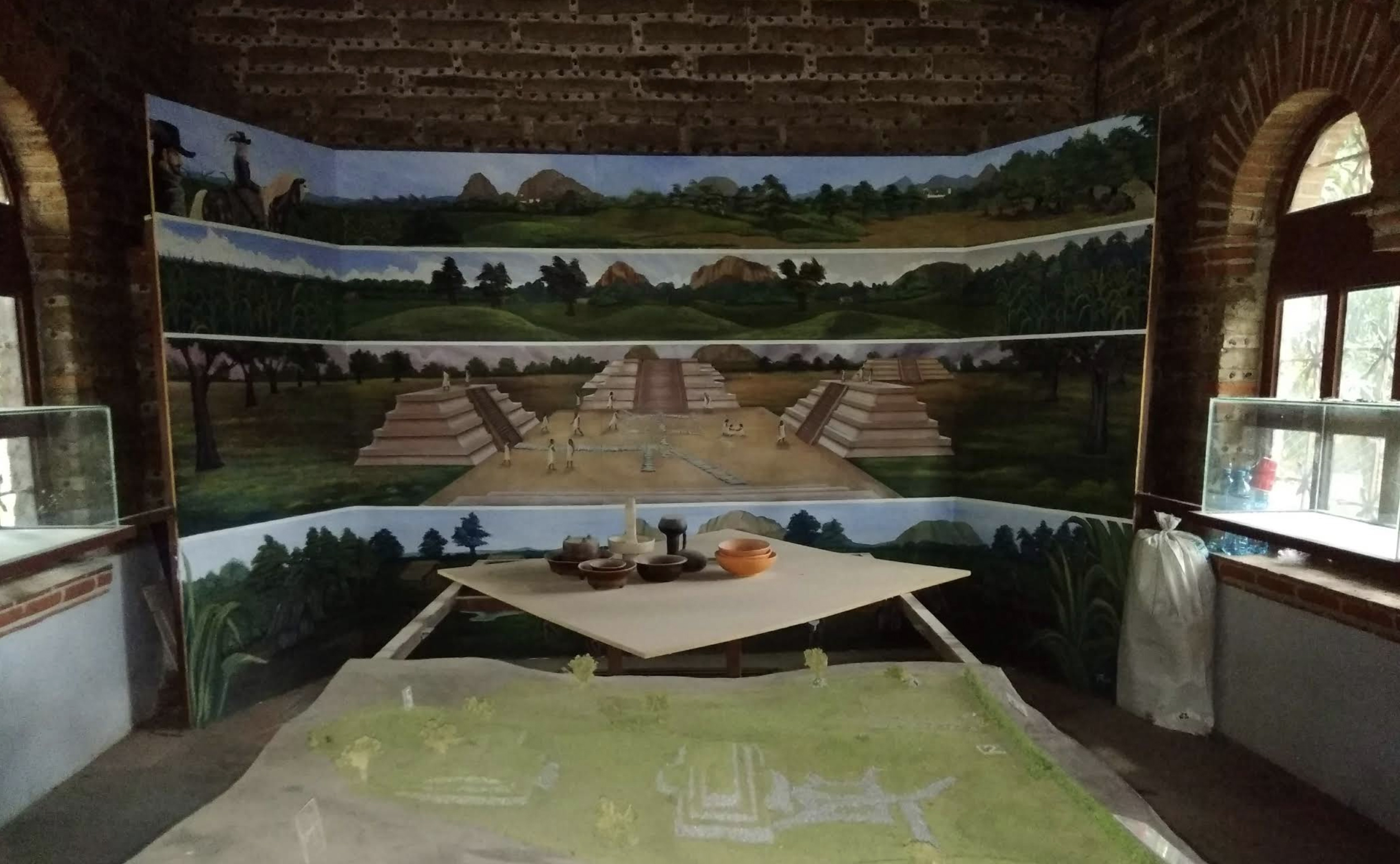
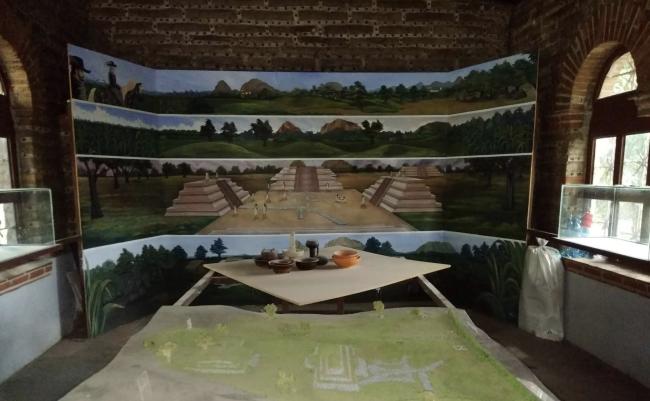
It provides an archaeological overview of the site, presenting its historical and cultural context within the Epiclassic period. Of particular note is the complex hydraulic system of canals and reservoirs, evidence of advanced pre-Hispanic engineering knowledge. The exhibition also features artifacts and reconstructions of the settlement, allowing visitors to understand the function of the structures and the spatial layout of the site before exploring it.
This room begins by presenting an overview of the region’s historical development, situating Las Pilas within the Epiclassic period (approximately 600–900 CE). It explains that this was a time of transformation in Mesoamerica, characterized by the reorganization of centers of power and the diversification of economic activities. In this context, Las Pilas stands out as a site with distinctive features suggesting specialization, which sets it apart from other contemporary settlements.
One of the central themes of the exhibition is the hydraulic system, considered the site’s most distinctive feature. Through visual aids such as diagrams, illustrations, and possible reconstructions, the exhibition details how the ancient inhabitants designed and built a network of canals, conduits, and reservoirs—the so-called “pilas”—for the management and use of water. This system not only demonstrates advanced knowledge of hydraulic engineering but also opens the door to various interpretations of its use, which may have been agricultural, ritual, productive, or a combination of these. The room invites visitors to reflect on the relationship between humans and water in ancient contexts, as well as on the importance of this resource in social organization.
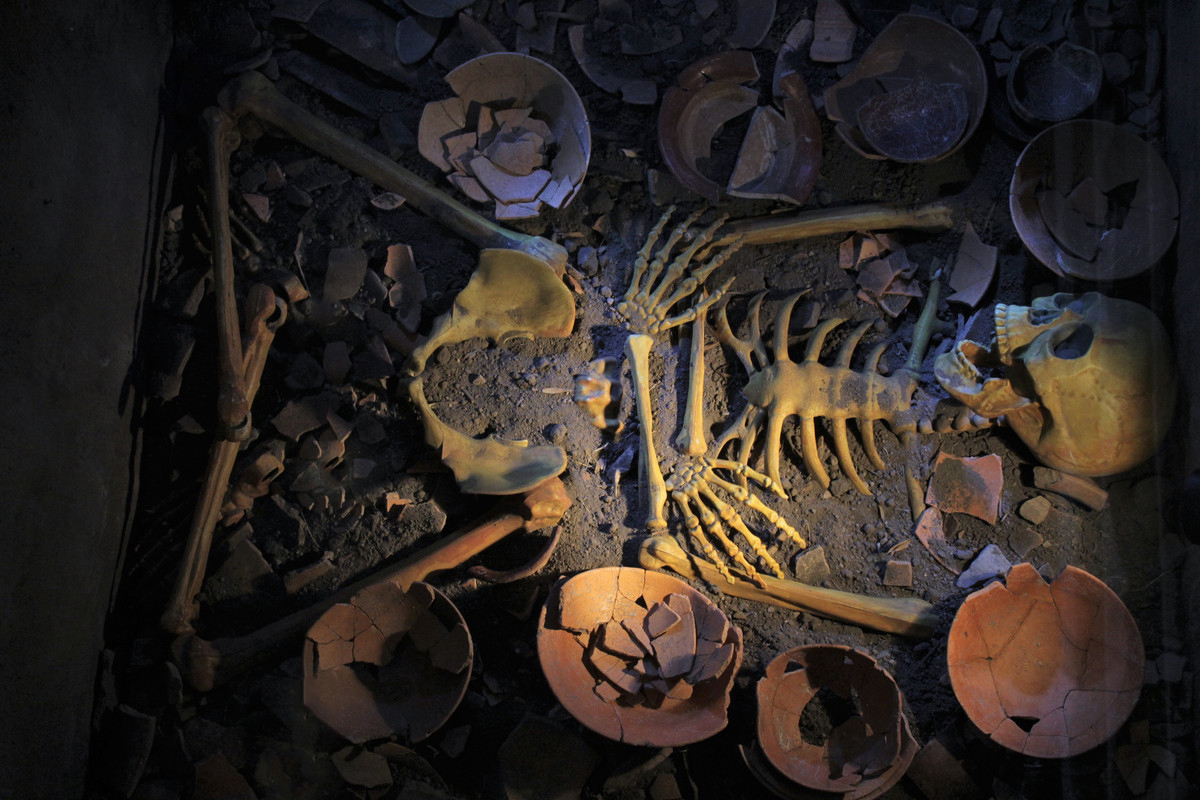
The gallery also explores the main archaeological findings, describing the recovered materials and interpretations of the daily lives of its inhabitants. It also features representations of the settlement that help visitors visualize its original layout and its relationship with the natural environment of the Tecozautla region.
Another key feature of the gallery is the inclusion of models or visual representations of the settlement. These allow visitors to appreciate the layout of the spaces, the architectural organization, and the relationship between the various structures. Thanks to these resources, visitors can imagine what the site was like during its period of occupation and how it integrated into the natural landscape of the Tecozautla region, characterized by its geographical conditions and the availability of water resources.
Similarly, the room emphasizes the importance of the natural environment in the site’s development. Factors such as topography, climate, and the presence of water sources are explained—elements that directly influenced the choice of location and the way it was utilized by its inhabitants. This perspective allows us to understand Las Pilas not as an isolated space, but as part of a broader system in which nature and society were closely linked.
- Dirección del Centro INAHVictor Hugo Valencia Valeravictor_valencia@inah.gob.mx+52 (777) 314 4048Administración del Centro INAHSalvador Castro Gómezsalvador_castro@inah.gob.mx+52 (777) 312 3108, ext. 25801